A History of Collective and Individual
Religious Identity Construction of
Hungarian Migrants
in the Region of
Liège, Belgium
(1956–1989)
Team
Dániel Vörös (PhD candidate)
Dries Bosschaert (promoter)
András Fejérdy (co-promoter)
Project duration
2024-2028
Research topics
Religious Identity Construction
Hungarian Catholic Migrants
Contemporary Church History
Approaches:
Religious Identity Construction
Oral history
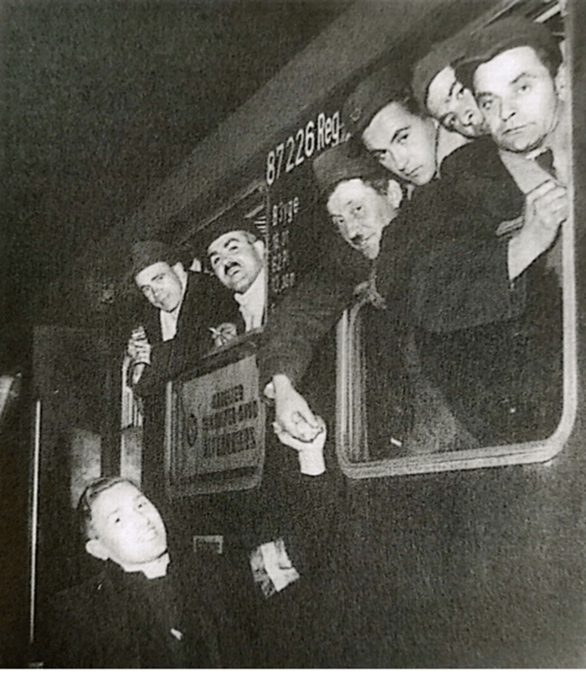
The present project examines the religious and national identity construction of Hungarian working-class immigrants and refugees in Belgium from the unsuccessful Hungarian uprising against the Soviet oppression of 1956 until the end of the Communist Regime in Hungary in 1989 by unfolding the history of the community, their inner histories, religious consciousness, and perspectives of collective memory. A crucial component of the research, the Hungarian Catholic Mission of Liege (Belgium) will be examined around the personality of its Hungarian chaplain, Fr. Sándor Dobai. He was appointed in 1956 by Guillaume Marie van Zuylen, the coadjutor Bishop of Liège as a personal chaplain to serve the Hungarian refugees and immigrants in preserving and enhancing their faith. This project employs a classical historical approach, with archival research in national and international archives and completes this with oral history and archival sources from private collections. Attention will be given to the visual art, the feast days, the ‘grey’ literature, and special events of the community. By using a bottom-up history approach, this project will allow us to challenge the papal politics of Pius XII on worker class and the Vatican’s Ostpolitik from the viewpoint of the local level.
Source image: Tarics, Péter. Isten tenyerén a magyarságért:
Dobai Sándor atya cselekvő hitvallása [On the Palms of God for Hungarians: the Living Testimony of Father Sándor Dobai]. Budapest: Médiamix, 2011, 25.
 Processes of Agency, Negotiation and Identity Construction: Lived Religion and LGBTQ+ in relation to Catholic Norms and Practices in Europe from Historical, Ethical and Practical Theological Perspectives