Editorial
Impressions from the field
One of the most rewarding aspects of performing fieldwork, at least for those of us scientific researchers whose domain is none other than direct human experience, is to discover, time and again, the surprising ability humans have for recounting, with a great deal of passion, their own life’s stories. Narratives emerge often by themselves, almost as if they were sitting previously in a dark room, like a pile of string quietly waiting for ages to be woven into a tapestry of personal anecdote. Sometimes, in the middle of an interview, a person will make that same discovery, finding with great joy, along with the researcher, that they too, in fact, have the power to become story-tellers : their eyes occasionally will fill with the same dazzling light as those of Odysseus when asked by King Alcinous to chronicle his journeys at the very middle of the Odyssey. And we, like the absorbed Phaecians we are, can only stand in awe at the treasure we have found.
Eric Tomasini
Latest Activities
Since our last Newsletter edition, our team has been very active!
Giorgio Maria Millesimi was invited to take part in an academic roundtable at the Faculty of Sociology at the University of Padova where he presented his research; meanwhile, Matt Whiffen went to Zagreb for archival work and continuing his oral history research through interviews.
More recently, the PANIC project team had a lunch conversation with Dr.Marco Derks, theologian and scholar of religion, who is currently also the executive secretary of the Netherlands School for Advanced Studies in Theology and Religion (NOSTER). Marco Derks has recently published “Constructions of Homosexuality and Christian Religion in Contemporary Public Discourse in the Netherlands” .
On March 17th, we held our first Advisory Board meeting of the year, where we had the chance to discuss as a team with various European experts and scholars.
A new book is out! The outcome of a study day, Prismatisch geloven is published by Otheo Books and features articles by Annemie Dillen, Dries Bosschaert, Nenad Polgar and Jade Willaert and can be found here.
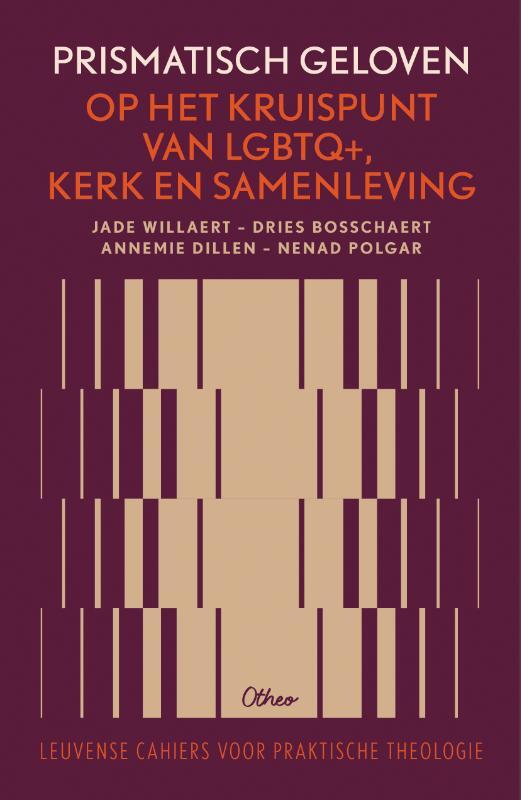
About the book:
“Just as a prism splits white light into a wide spectrum of colors, this book brings a range of perspectives on LGBTQ+ themes into view. The discourse and actions of the Catholic Church regarding issues such as sexuality and gender are more complex than they may initially appear. The experiences of believers in relation to these themes are, after all, not always black and white.”
Conferences
On January 28th, Matt gave a talk the topic of “Absenting Queer Religious Experiences: Anti-Gender Sentiment and the Politics of LGBTQ+ Oral History Archives in Croatia” at the University of Picardy Jules Verne in Amiens, as part of the university’s international conference “Current state and challenges of research on anti-gender movements”.
On February 27th, in the context of the University of Padova’s discussion panel titled “Freedom within religion: Sexual diversity, Catholicism, and rights in contemporary Italy”, Giorgio presented his current research. The conversation focused on analysing the transformations that have occurred both within the Catholic Church and in wider society when considering the relationship between religion and sexuality, as well as the key questions that the social sciences must address in this area.
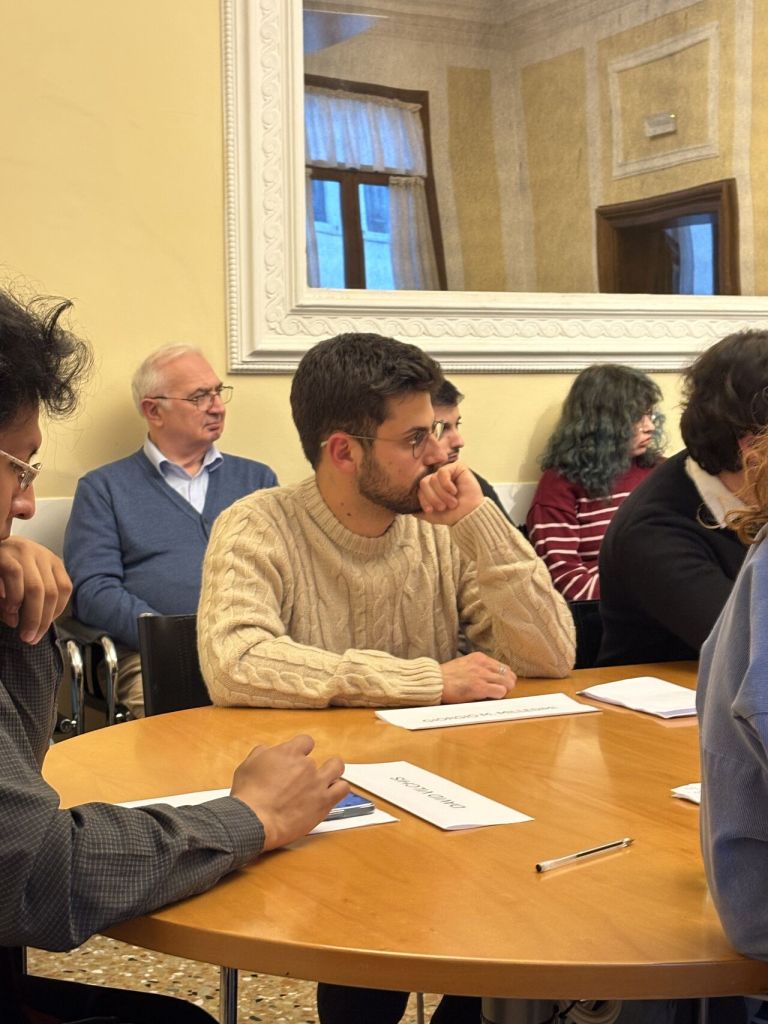
As Giorgio expresses: “It felt refreshing to take part in a conversation centered on deconstructing toxic narratives, both from an academic point of view and through the lived experiences of those active in LGBTQ+ Catholic groups in the Italian context.”
Also on February 27th, Eric Tomasini gave a talk to the members of the CCL (Communauté du Christ Libérateur) in Liège on the topic of “La Théologie Politique et le Corps”, which sparked interest on the idea of revisiting artistic representations of queer bodies in literature and visual arts.
Finally, on March 12th, together with other colleagues from the Faculty of Theology and Religious Studies at KU Leuven, Jade attended the inaugural lecture of PANIC advisory board member Prof. Dr. Mariecke van den Berg at the VU Amsterdam. She wrote the following about her experience:
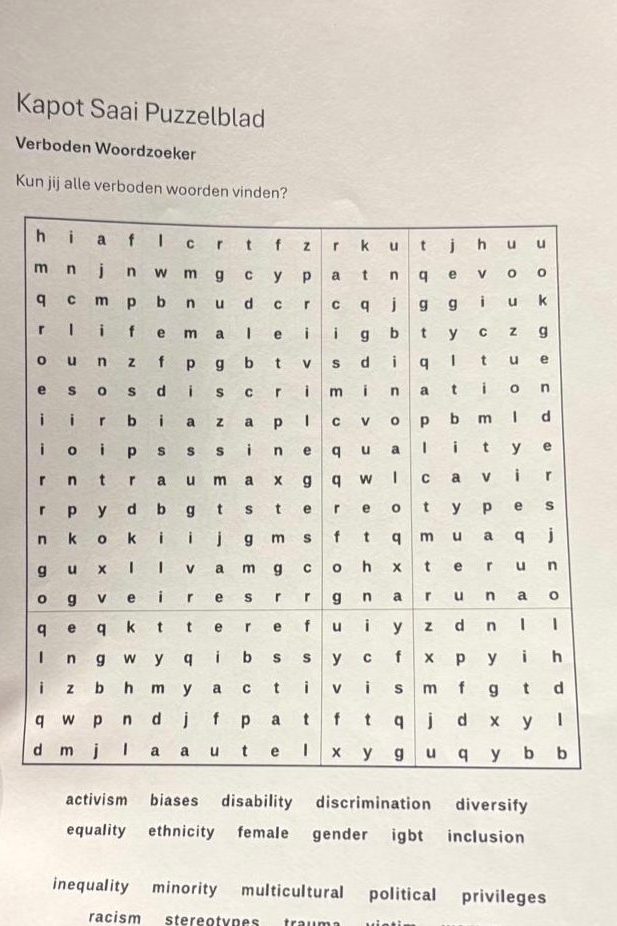
“In her lecture, titled “Kapot saai. Een theologie van verveling als belichaamd verzet”, Professor van den Berg explored the political and theological significance of boredom. Van den Berg demonstrated how religious narratives and practices have been shaped by those in power, leaving marginalised groups (including, for example, women and LGBTQ+ believers) bored from repeatedly listening to stories and participating in rituals to which they do not relate. From this perspective, being bored does not necessarily represent a personal shortcoming, but rather points to the limits of boring discourses that structurally disregard certain experiences or groups.”
With a touch of irony, Jade concluded : “Although we were assured that yawning was perfectly acceptable, no one in the audience took the opportunity. The anti-boredom puzzle sheets handed out at the beginning of the lecture turned out the be entirely unnecessary”.
Outreach
From February to June, Martina Rolandi is visiting the CRIID research group, led by Dries Bosschaert at KU Leuven, and connecting to the PANIC project, as well as Marianne Moyaert’s research group on Comparative Theology and the Study of Interreligious Relations. Martina Rolandi is a PhD student at the University of Turin and the University of Milan, enrolled in the PhD program in Sociology and Methodology of Social Research within the NASP network.
Her research focuses on the multiple and contrasting identities and loyalties of Catholic women active in contemporary social and religious contexts, with a focus on gender roles, feminism, and religious practices within the Italian Catholic Church. She has recently published two papers on the topic: The religious experience between Catholic faith and feminist identity; the case of Italian female Scouts (Rivisteweb: Martina Rolandi, The religious experience between Catholic faith and Feminist identity. The case of Italian female Scouts); and Feminism and LGBTQI+ rights in Catholic Scout Youth Movement: Navigating among identities (SocietàMutamentoPolitica : rivista italiana di sociologia : 31, 1, 2025 – Firenze University Press – Torrossa).
Readings
Wannes Dupont’s new book “Unwilling to know” is out since February 6th, published by the Cambridge University Press.
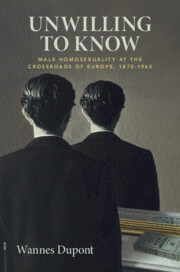
“Through internationally comparative analyses, and with particular reference to the importance of religion, Wannes Dupont complicates overly monolithic views of European developments based on a handful of familiar cases. In doing so, this study lays bare the many national, cultural, institutional, legal and religious differences that have shaped the scrutiny of homosexuality in diverging ways.”
Discover more from Processes of Agency, Negotiation and Identity Construction: Lived Religion and LGBTQ+ in relation to Catholic Norms and Practices in Europe from Historical, Ethical and Practical Theological Perspectives
Subscribe to get the latest posts sent to your email.
 Processes of Agency, Negotiation and Identity Construction: Lived Religion and LGBTQ+ in relation to Catholic Norms and Practices in Europe from Historical, Ethical and Practical Theological Perspectives